Dubai’s contrasts: tradition, coast, and skyline
I realized Dubai isn’t hard to “do,” it’s hard to sequence. On my first planning pass I kept dragging pins across the map—Creek-side markets, Jumeirah sand, Downtown towers—and the commute lines were the real itinerary. If you’re building a 4–6 day trip after work, start by choosing your daily “base vibe” (Old Dubai, beach, or skyline) and only stack one cross-city anchor per day, otherwise you’ll spend your best energy in taxis and metro corridors.
The simplest framework is three buckets: tradition (Deira/Bur Dubai around the Creek), coast (Jumeirah/Marina), and icons (Downtown). Each bucket has a time-of-day sweet spot and a built-in friction point: Old Dubai is more pleasant later afternoon but some shops keep uneven hours; the beach is best early or near sunset but humidity can flatten you; Downtown “works” at night when it’s cooler, yet tickets and queues can quietly eat your evening if you don’t book ahead. Aim for two lighter days (markets + dinner, beach + marina walk) and one heavier “icon” day, then leave a single slot for the desert later—because it’s the one experience that reliably steals a full half-day of stamina.
Old Dubai markets: souks, abras, and street eats
I made the mistake of aiming for “Old Dubai before lunch,” then spent the whole morning arriving sweaty and slightly irritated. The Creek-side neighborhoods (Deira and Bur Dubai) reward a later start: show up mid-to-late afternoon when the heat softens and the shops are actually awake, but plan for the fact that opening rhythms can be inconsistent and some lanes feel half-closed until evening.
The day works best if you treat the Creek as your organizer, not a landmark. I like starting on one side (often Bur Dubai’s textile area), browsing with a short list in mind (scarves, spices, small gifts), then crossing by abra when I’m ready to reset. The boat ride is fast and satisfying, but it’s also a bottleneck at busy moments—if you’re trying to hit a dinner reservation across town afterward, that “quick crossing” can quietly add 20–30 minutes once you factor in walking and crowding.
Street eats here are high-reward, slightly chaotic. Pick one snack stop and one proper meal rather than grazing endlessly; you’ll save time and avoid the slow fatigue that hits when you’re constantly weaving through shopkeepers, scents, and noise. Also: if you’re souk-shopping, carry smaller bills and decide your price ceiling early—negotiating is part of the fun until it isn’t, and it’s easy to burn your evening haggling over something you didn’t even want that much.
Beach time: Jumeirah sands, marinas, and sunsets
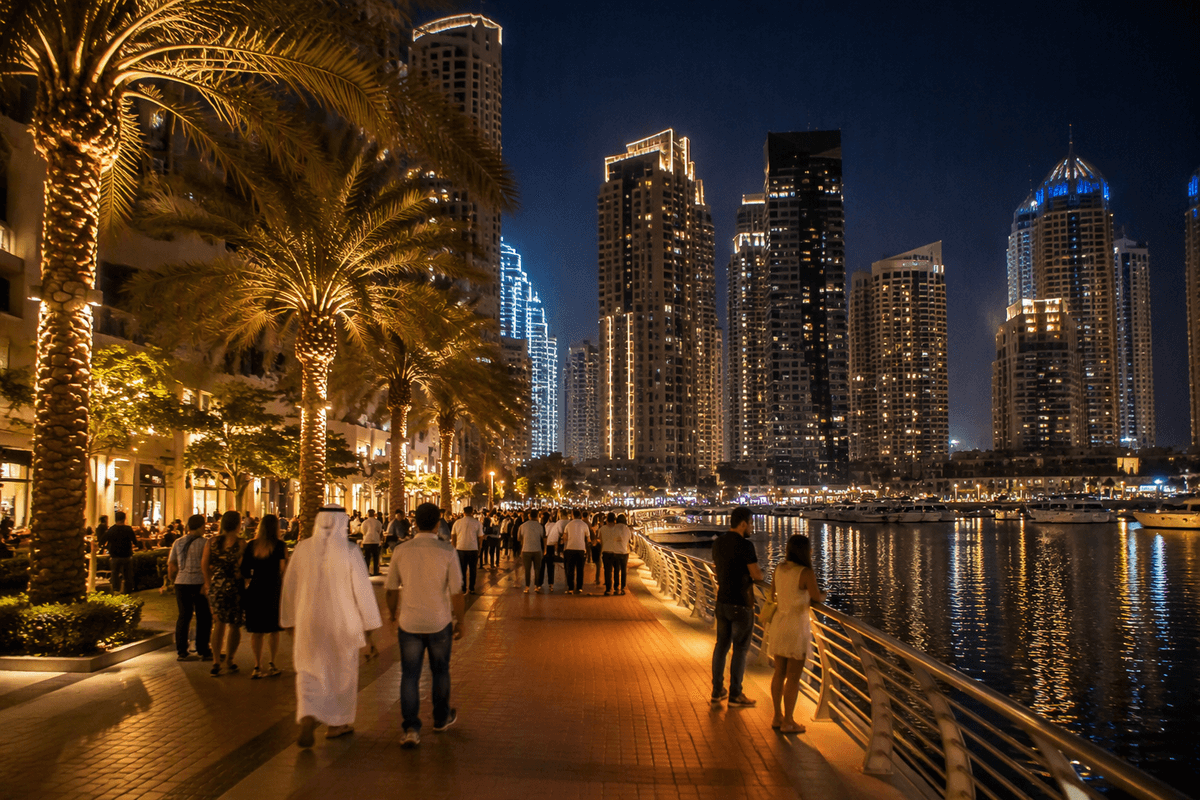
I only understood how much the beach “counts” as recovery in Dubai when I tried to squeeze it between errands—an hour at Jumeirah turned into a half-day once you add changing, finding shade, and the slow reset your body insists on. If you’re debating whether it’s too touristy, treat it like a timing choice: go early (before the sun feels personal) for a quick swim and leave, or commit to late afternoon and let it roll into sunset.
Jumeirah’s public stretches are the easiest win on a mid-range budget, but the comfort ceiling is real: limited shade unless you pay for a setup, sand that gets punishing by midday, and humidity that makes “just one more hour” feel expensive in energy. I found it works best on a day when you’re not trying to also do a major indoor icon—otherwise you’ll arrive at the next stop damp, tired, and slightly annoyed at yourself.
For a different vibe, pair beach time with a Marina/JBR walk after sunset. It’s more polished and crowded, and prices creep up fast if you turn it into dinner + drinks + taxis, but it’s the rare Dubai evening where you can simply stroll without tickets, security lines, or a hard start time—just don’t underestimate how long it takes to get back if you leave right when everyone else does.
Architecture tour: Burj Khalifa, museums, and metroscapes
I hesitated over the Burj Khalifa because it’s the definition of “touristy,” and yet it’s also the cleanest way to calibrate Dubai’s scale in one shot—if you do it on your terms. The mistake is treating Downtown as a casual stop: between security, timed entry, and the slow-moving escalator logic of Dubai Mall, an “I’ll just pop up the tower” plan can swallow your whole evening. If your window is limited, book a specific time (ideally closer to sunset) and build the rest of the night around that single commitment, not the other way around.
What worked for me was pairing one paid icon with one lower-friction architecture wander. The paid icon is the view; the wander is the city’s design language—metro stations, footbridges, and shaded walkways that look close on a map but feel long in real heat. The metro is great for cost control and avoiding peak taxi pricing, but it’s not a magic carpet: you’ll still do a lot of walking through connected corridors, and at the end of a big day that can feel like an extra workout.
If museums are on your list, use them as a midday reset rather than an “also.” Indoor cultural stops buy you air-conditioning and a change of pace, but they come with their own timing constraints (tickets, openings, and the temptation to over-schedule). I’d pick one museum you genuinely care about, then leave a buffer to simply look up—Downtown and the newer districts reward slow observation more than box-checking, especially when the light shifts and the buildings start doing their nighttime thing.
Desert escape: dunes, camps, stargazing, and etiquette

My desert decision came down to a slightly unglamorous question: did I want a pretty sunset photo, or did I want to arrive back at the hotel functional the next day? Most first-time visitors book an afternoon-to-night safari because it bundles dunes, dinner, and entertainment, but it also lands you in the most crowded time window—and the pickup “around 2–3pm” is rarely precise. If you’ve only got 4–6 days, treat the desert like your one planned energy drain and don’t stack it with a big-ticket Downtown night; you’ll either rush the desert or waste the Burj-area money by showing up exhausted.
Dune bashing is fun in the moment and rough in the body. If you get motion-sick (or just hate being thrown around), say so early and clearly; many drivers will dial it back, but only if you ask before they commit to the roller-coaster version. The camp portion is where expectations matter: mid-range tours can feel like a package line—short camel rides, queued food, loud music—so if “too touristy” is your fear, pay a bit more for a smaller group or a tour that emphasizes open desert time over stage shows.
Stargazing is the part that can surprise you, but it’s also the easiest to lose to haze, lights, or a bright moon. Bring one warm layer even in hot months (the temperature drop plus wind reads colder than the forecast), and keep etiquette simple: ask before photographing people, don’t treat the animals like props. It’s not about being stiff—it’s about avoiding the small social friction that can make an otherwise calm night feel awkward.
Putting it together: choose your Dubai mix
The moment I stopped trying to “fit everything” was when I realized my real constraint wasn’t money—it was transit plus heat. For a 4–6 day first trip, pick two anchor evenings that require timing (Burj Khalifa/sunset ticket, and your desert pickup window) and build everything else as flexible blocks you can slide earlier or later depending on how you feel. If you only have four days, don’t split Old Dubai and Downtown on the same day unless you enjoy arriving at the second place already spent.
A workable mix is: Old Dubai late afternoon (Creek + souks + one sit-down meal), one beach-to-Marina day (early swim or late sand, then an easy walk when it cools), one Downtown icon night (booked time, minimal “extras”), and one desert afternoon-to-night (nothing major before it, nothing ambitious after). The friction points are predictable: tower tickets sell out at good times, desert pickups run loose, and “short” metro connections still mean long indoor walks—so leave one deliberately blank half-day to absorb delays without turning the whole trip into a schedule you resent.