A trip built around quiet time together often requires more thought than a typical vacation. Romantic travel works best in places where scenery, pace, and logistics allow time to slow down. Across the United States, certain destinations naturally create that setting. Coastal towns, mountain hideaways, historic streets, and desert landscapes all offer different moods. Travel agents notice that couples often search for locations with walkable areas, scenic views, and smaller lodging options that support relaxed days rather than packed itineraries.
Coastal Escapes With Calm Ocean Views
Coastal trips tend to work well for couples because the setting does some of the work for you. The sound of the water, the cooler evening air, and the simple routine of walking to dinner instead of planning every movement can shift the pace of a trip almost immediately. Carmel-by-the-Sea captures that feeling in a very easy, lived-in way.

Small inns sit near galleries, cafés, and the beach, so a day can unfold without much structure. That matters on a short break, especially when time feels limited, and no one wants to spend it driving, parking, or checking maps every hour. Early fall usually suits Carmel best. Summer brings heavier traffic and faster hotel sellouts, while September often feels calmer. Restaurant bookings open up a bit, the weather stays pleasant, and evening walks along Carmel Beach feel less crowded.
Charleston offers romance in a different form. Historic streets, waterfront views, and old houses give the city a sense of occasion without making it feel stiff. Staying in the historic district keeps most plans close together, which helps avoid long rides across town. Spring can be expensive, though, since festivals and weekend demand push rates up fast.
Mountain Retreats That Encourage Slower Days
Mountain towns set an easier pace. Cooler air in the morning, pine-scented trails, and long valley views make it simpler to unplug from city noise. Aspen, Colorado, works well in two very different seasons.
In winter, fresh snow and warm lodge spaces create that cozy, unhurried feel, especially midweek in January or early February. After the holiday rush, slopes stay lively without feeling packed, and many properties run short midweek deals that bundle spa time or a guided snowshoe outing.
Early summer brings a softer version of Aspen. Trails open up, wildflowers show along higher meadows, and evenings stay crisp enough for a patio dinner without heat hanging in the air. Rates often dip compared with peak ski months, which makes a longer stay more realistic.
Mountains do come with real-world tradeoffs. Weather changes fast, and smaller airports can get delayed during winter storms. A day of buffer time can protect dinner reservations or a booked hike. Lake Tahoe is another strong choice. Cabins near the shoreline, calm sunset cruises, and early October timing mean fewer crowds, easier parking, and quicker tables at popular spots.
Historic Towns With Walkable Streets and Quiet Corners
Historic destinations frequently appear in romantic getaways for couples in the USA planning. Older towns often feature compact layouts that encourage walking rather than constant driving. This structure makes evenings feel spontaneous.

Savannah, Georgia, fits this pattern. Tree-lined squares break the city into peaceful pockets. Couples often spend afternoons walking between historic homes, shaded benches, and small cafés. River Street provides evening views across the Savannah River as cargo ships pass slowly toward the Atlantic. Travel professionals often advise visiting Savannah in late February or early November.
Summer humidity can feel heavy during long walking days. Cooler months allow for more comfortable outdoor time. Another strong option sits in New England. Newport, Rhode Island, blends ocean views with historic estates and quiet harbor areas. The Cliff Walk stands out as a scenic path along the Atlantic shoreline. Mornings remain calmer before day-trip visitors arrive from nearby cities.
Parking restrictions present one logistical challenge in Newport during the summer. Hotel selection within walking distance of downtown restaurants solves that issue. Many smaller inns provide on-site parking, which removes the need to search for street spots after dinner.
Historic towns also help solve a common travel issue: overscheduled itineraries. Many couples arrive with a full list of attractions, then discover that simple activities such as strolling through local markets or sitting beside waterfront docks create the best memories.
Desert Landscapes and Wide Open Sunsets
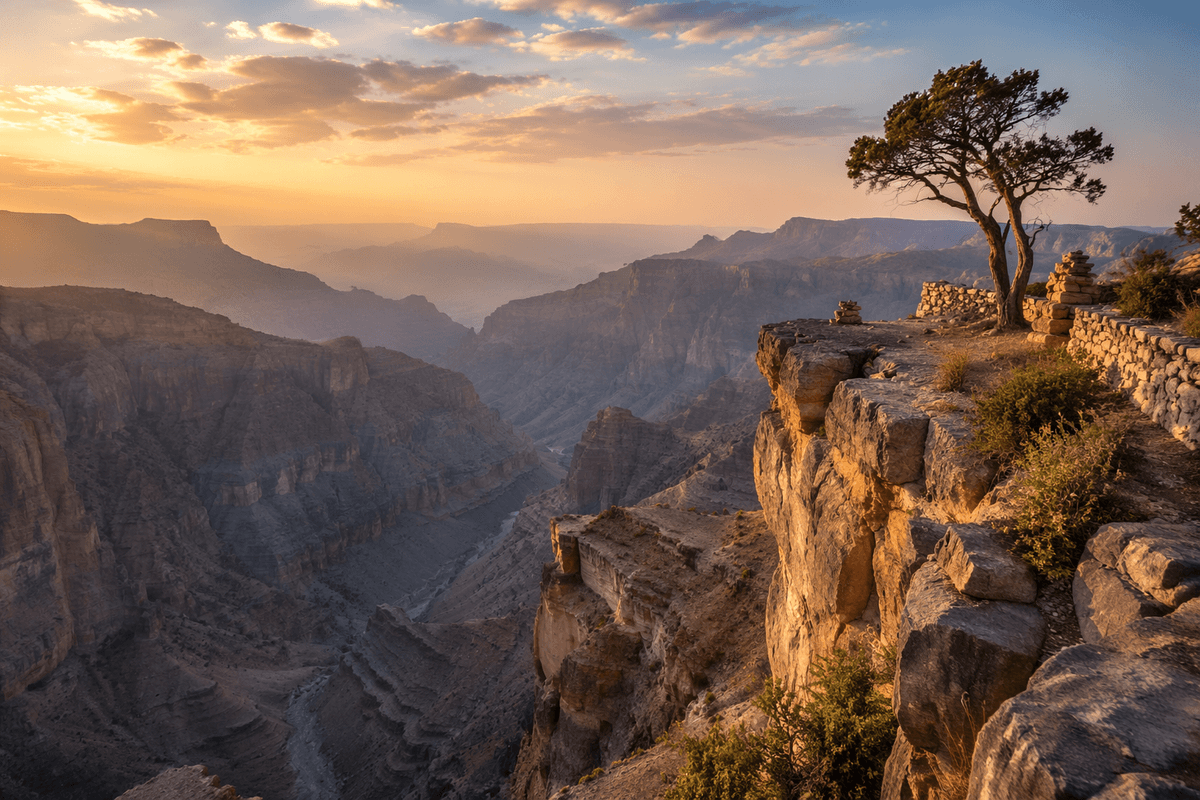
Desert trips work best when the plan leaves room to linger. Sedona, Arizona, delivers that hush at golden hour, when the red rock walls catch fire, and the air cools fast. Many couples book small resorts a few miles from Uptown to skip the traffic swirl. A patio facing the cliffs can turn a simple coffee into the highlight of the day, especially at first light. Timing matters.
Spring and late fall bring clear skies without the punishing midday heat that can cut hikes short in July. Pack water, a brimmed hat, and a backup plan for afternoons, like a shaded gallery stroll or a massage appointment. Sedona’s busiest stretch often starts Friday afternoon, as cars roll in from Phoenix. Arrive Sunday to Tuesday and dinner feels easier, with shorter waits and calmer streets.
Palm Springs offers a cleaner, retro kind of romance: mid-century homes, mountain silhouettes, and warm nights perfect for a poolside dip. Peak season runs from December through March, so watch rates early. Weekday deals pop up in early December and late January, and they often include spa credits. In both places, sunsets reward patience. Pick one viewpoint, settle in, and let the sky do the talking. Bring a light jacket; desert evenings turn cool right after dusk.
Conclusion
Romantic vacation destinations that USA travelers return to again and again share a common trait. Each place encourages time away from packed schedules. Ocean towns, mountain retreats, historic districts, and desert landscapes all shape that slower rhythm in different ways. Travel planning still matters, especially during busy seasons or festival periods. Early reservations, thoughtful timing, and lodging close to main attractions help prevent common frustrations. With those details handled, couples travel USA trips often turn into memorable experiences built around quiet moments together.