You found a low-rate loan—then the quote changed
The rate looked clean on the lender’s site, low enough to finally make the payoff math work. Then the “official” quote arrived and the numbers didn’t line up: the payment nudged higher, the amount to be deposited shrank, and the loan balance quietly grew. Nothing felt dramatic on its own, but the gap was big enough to throw off a consolidation plan that depended on a specific monthly target.
Most of that change happens in the last steps—after a credit pull, income verification, and selecting a funding speed—when fees and options get priced in. The practical constraint is timing: once bills are due, it’s easy to accept a revised offer just to get funded, even if the total cost is no longer what the headline rate implied.
Start with your monthly payment expectation
When the quote shifts, the fastest way to see what broke is to anchor on the payment you can actually carry. Not the “estimated” payment in the prequal screen—your real ceiling after rent/mortgage, minimum cards, and the month a car repair shows up. If your consolidation plan only works at $420/month, treat $420 as the requirement and back into everything else from there.
In the offer details, check whether the quoted payment assumes autopay discounts, a specific funding date, or a different amount financed than you expected. The constraint lenders don’t solve for is cash-flow timing: a loan that lands two days after your due dates can force a late fee or a carried card balance, which makes the “affordable” payment effectively higher that first month.
Origination fees: the first surprise in funding
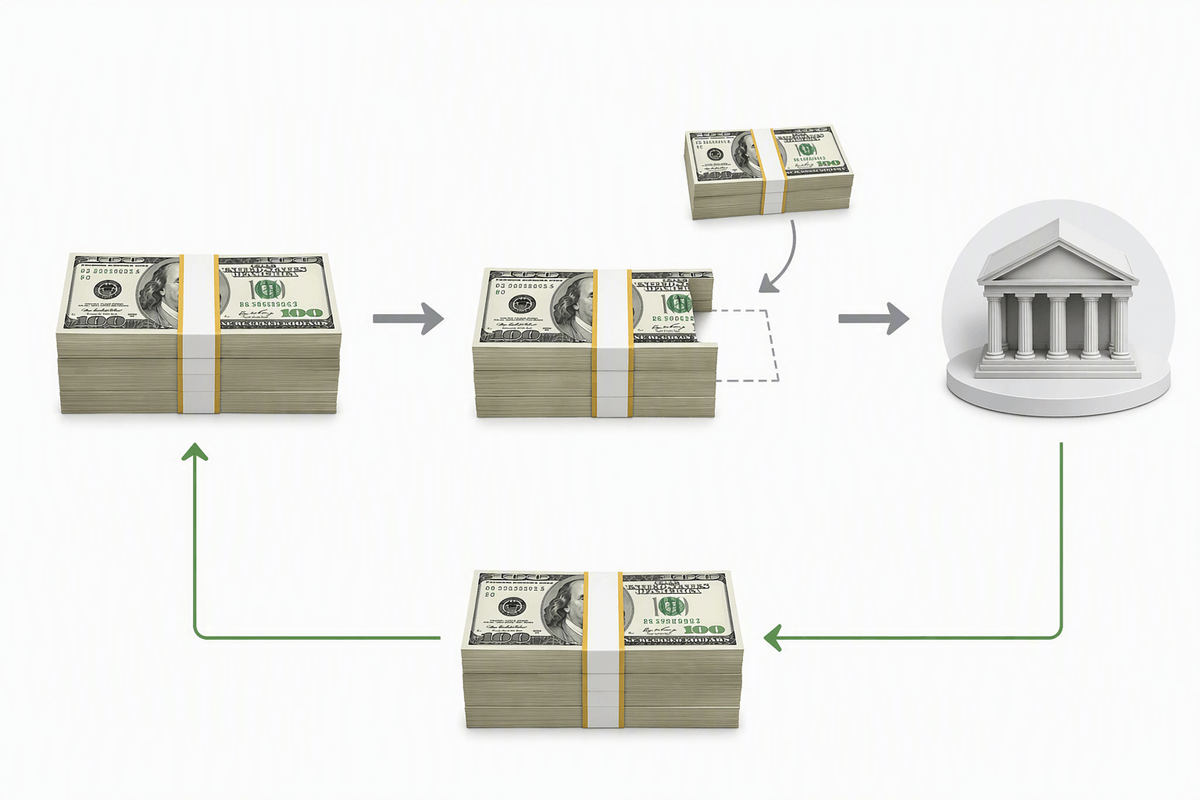
By the time the offer looks “final,” the first line that quietly changes the whole deal is the origination fee. It shows up as a percentage of the loan amount or a flat charge, and it usually comes out of the money you receive, not out of the balance you owe. That’s how a $15,000 loan can turn into a $14,250 deposit without any change to the stated rate—then the payment still gets calculated on the full $15,000. If the plan was to wipe out two cards in full by Friday, that shortfall becomes a timing problem fast.
The clean way to pressure-test it is to convert the fee into dollars and compare it to what it buys you. If the lender markets “no prepayment penalty” or “fast funding,” check whether you’re effectively paying for that through origination. A 4% fee on $20,000 is $800 on day one; if your payoff math only had $300 of cushion, the loan didn’t get worse gradually—it got worse instantly.
Add-ons and upsells that inflate the balance
After the origination fee, the next drift usually comes from “helpful” options added at checkout: a payment protection plan, a credit monitoring bundle, a “rate discount” tied to a paid service, or a lender-arranged debt payoff feature with a fee. None of these are always bad, but they change the amount financed and, in turn, the payment and the total interest paid. The friction is that they’re presented as small monthly add-ons, even when they’re financed into the loan and cost interest for years.
Review the itemization line by line and rewrite the offer in two versions: with every add-on removed, and with only the one you’d actually buy separately. Convert each add-on into total dollars (fee + the extra interest created by financing it). If the lender won’t show the loan terms without the bundle, treat it as part of the price, not a perk.
Term length: when “affordable” means paying longer
The quote can still “work” on your monthly ceiling after fees and add-ons—just not in the way it first seemed. The common move is extending the term from three years to five or seven to keep the payment near your target. The constraint is psychological and practical: a $35–$60 drop per month feels like relief, especially if you’re trying to get ahead of due dates, but you’ve now committed to paying interest for extra years when life is least predictable.
Run the offer both ways using total dollars paid. A longer term often adds thousands even at the same APR, and it keeps the balance around long enough that a job change or a surprise expense can push you back to cards. If the lender lets you choose, treat the shortest term you can truly carry as the baseline, then ask what the payment would be with one extra principal payment per quarter—because “no prepayment penalty” only matters if your budget can actually use it.
Prepayment, late fees, and payment processing traps
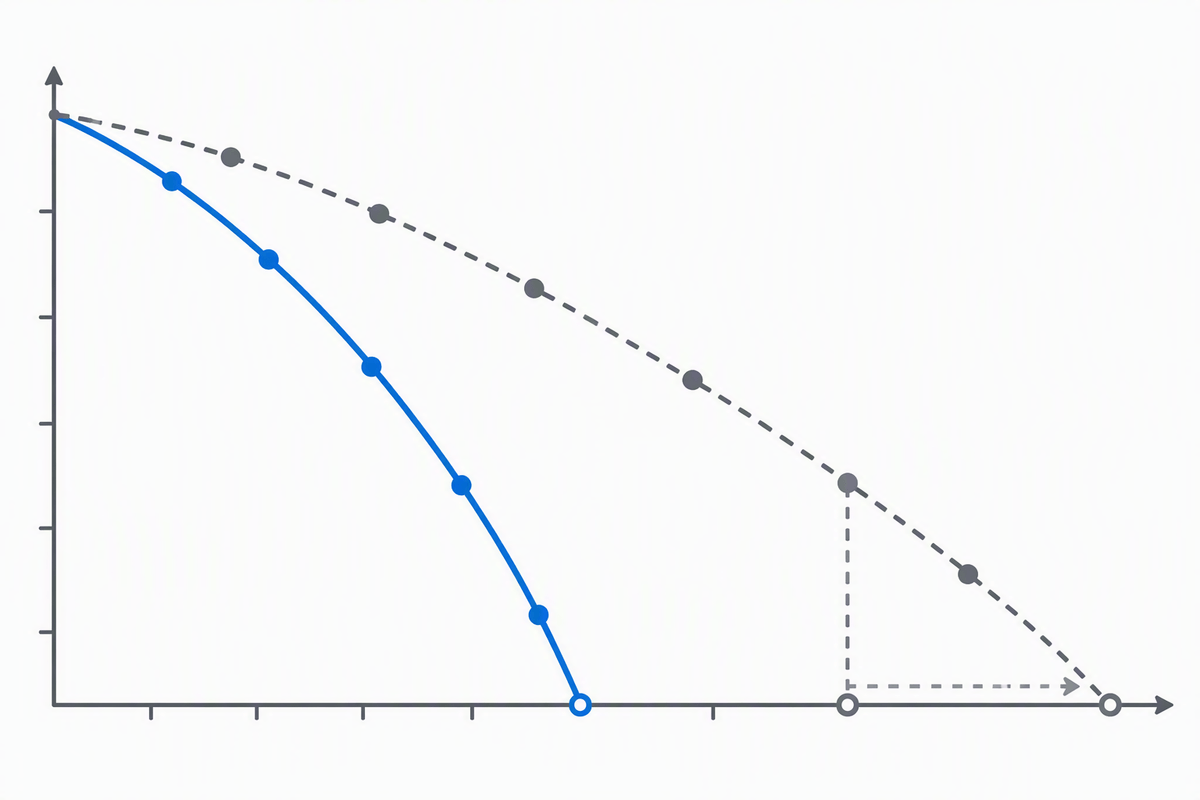
Once the term is set, the “flexibility” clauses start to matter more than the APR. “No prepayment penalty” is useful, but only if the lender applies extra money the way you think. Some contracts let the servicer treat an overpayment as “paid ahead,” pushing your next due date out instead of reducing principal; the balance shrinks slower, and the interest math doesn’t improve the way your spreadsheet assumed. The constraint is cash-flow: irregular bonuses and tax refunds are exactly when you’d try to prepay.
Late fees and payment processing add another layer of risk. A small grace period, a fee triggered by “received” versus “posted,” or a convenience fee for debit/credit payments can turn a tight month into a recurring charge. If autopay is required for a rate discount, one returned payment can cost you twice—late fee plus lost discount. Before signing, find the exact late fee in dollars, the grace period in days, and which payment methods are fee-free.
Compare by total dollars paid, not APR alone
By this point the offers that “match” on APR often don’t match on what you’ll actually spend. The simplest way to stop getting pulled back into marketing numbers is to build one comparable line for each loan: cash received today, total of all scheduled payments, and any fees you’ll pay to make those payments. The constraint is time: when you’re trying to fund before a due date, it’s easy to compare only the monthly payment and miss that one lender is financing $600 of extras while another is deducting $600 upfront.
Two offers can share the same APR and still land far apart on total dollars paid if the amount financed differs, the term is longer, or “optional” services are bundled into the balance. Put them on equal footing by forcing the same payoff goal: same loan amount applied to your debts, same term, and no add-ons—then reintroduce each fee and feature as a dollar cost. If a slightly higher APR comes with lower fees and cleaner prepayment treatment, it can be the cheaper and safer contract in practice.
A quick checklist before you sign anything
Right before you click “accept,” it helps to pause long enough to turn the offer into a short checklist you can actually verify on the contract page. Write down the monthly payment ceiling you’re protecting, then confirm the exact cash you’ll receive after origination, and the exact balance you’ll owe on day one. If those two numbers don’t match your consolidation target and your due-date timing, the “good rate” is already irrelevant.
Then check: total of scheduled payments (not just APR), term length, whether any add-ons are financed into the loan, and whether autopay is required to keep the advertised rate. Finally, find the late fee in dollars, the grace period in days, which payment methods are fee-free, and how extra payments are applied (principal reduction versus “paid ahead”).