Hong Kong moves fast at the table. Rents shift, supply costs change, and menu prices follow. For travelers and residents, tracking Hong Kong dining deals can feel confusing, especially during busy trade fair weeks or holiday periods. Restaurant promotions appear regularly, yet many come with specific booking windows or spending rules. Without paying attention to timing, it is easy to overspend in popular districts. A practical approach makes dining plans smoother and keeps expectations realistic before sitting down to order.
Seasonal Patterns Behind Hong Kong Dining Deals
Dining prices in Hong Kong rise and fall with the city’s event calendar. Large exhibitions at the Convention Centre or AsiaWorld Expo drive corporate traffic into Wan Chai and Central. Restaurants in these areas often reduce discounts during those periods. Set menus may still be available, but pricing reflects higher demand.
Outside peak business months, the picture changes. Late summer can be quieter, particularly in August when humidity keeps some visitors away. At that time, midweek restaurant promotions became more visible. Lunch sets expand in range, and early dinner incentives return in stronger form. This cycle helps operators maintain steady occupancy when tourist numbers soften.
Festive periods create another pattern. Lunar New Year brings special menus that replace standard options. Many Hong Kong dining deals pause completely for several days. Minimum spending requirements often apply, and reservations become essential. The experience can be memorable, yet budgets need adjustment.
Smart planning helps manage these fluctuations. Scheduling fine dining during quieter weekdays and leaving casual neighborhood meals for busier nights can reduce overall spending. Still, flexibility matters. Promotions sometimes shift with little notice, especially if reservations fill quickly.
Common Types of Restaurant Promotions in the City
Set lunch menus remain one of the most consistent Hong Kong restaurant offers. Upscale venues in Central, Admiralty, and Tsim Sha Tsui frequently present two or three course lunches at prices far below dinner rates. Ingredients stay seasonal, though premium items may require supplements. For travelers with packed sightseeing schedules, lunch becomes the practical moment to experience higher end kitchens.
Early evening specials appear across tourist corridors. Arriving before six thirty may secure a percentage discount. The limitation lies in time restrictions, since tables are often needed for later seatings. For visitors landing in the afternoon, this window can align well with arrival energy levels.
Credit card partnerships form another layer of restaurant promotions. Major banks collaborate with hotel restaurants and established dining groups. Discounts can be meaningful, though blackout dates during public holidays are common. Reading the small print avoids confusion at payment.
Reservation platforms now influence pricing heavily. Certain time slots display larger reductions, reflecting quieter service hours. A five thirty booking may cost less than one at seven thirty. These systems help restaurants manage flow, yet cancellation policies can be strict. Missing the reserved time might cancel the offer entirely.
Group set menus are widely used in Cantonese dining rooms. Pricing per table simplifies budgeting for families or colleagues traveling together. Substitutions may be limited, and deposits are often required. This structure works well for larger parties but demands advance coordination.
Finding and Verifying Hong Kong Restaurant Offers
The speed of change in Hong Kong’s dining market means information can expire quickly. An offer posted earlier in the week might disappear after a surge in bookings. Hotel concierges provide reliable updates, especially in business districts. Front desk teams maintain contact with nearby restaurants and can confirm which Hong Kong dining deals remain active.
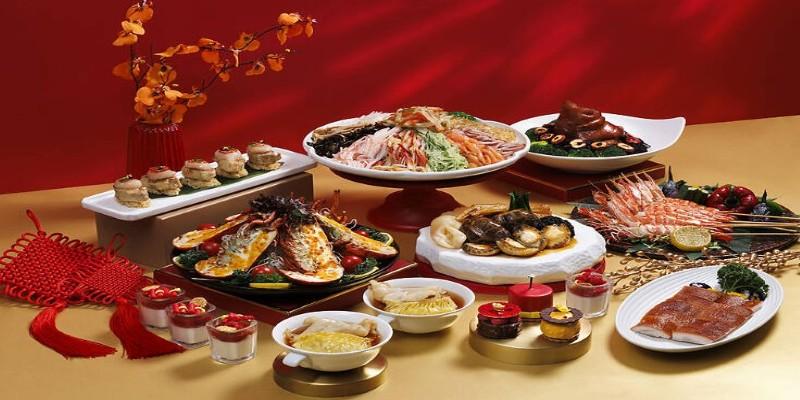
This reduces the risk of relying on outdated online listings. Dining apps supply another useful layer. Promotions tied to platform reservations often exclude walk in guests. Reading the full terms is essential. Some advertised discounts apply only to specific menu categories, not to tasting menus or chef specials.
Mailing lists from restaurant groups also play a role. After one reservation, seasonal updates frequently arrive by email. These messages may include complimentary dishes or limited time restaurant promotions during slower months. For repeat visitors, this steady flow of information can support better planning across multiple trips.
Direct confirmation remains wise. A brief phone call clarifies minimum spending requirements, service charges, and timing conditions. In busy tourist zones, policies sometimes shift faster than websites reflect. Keeping a digital copy of the booking confirmation can help resolve misunderstandings at the table.
Neighborhood exploration reveals offers that never reach major platforms. Districts such as Sai Ying Pun or Sham Shui Po often display daily specials on storefront boards. A short walk can uncover strong value beyond commercial booking channels.
Practical Booking Tactics and Fine Print
Fine print often decides whether Hong Kong restaurant offers feel worthwhile or disappointing. Service charge, usually ten percent, is commonly added before any discount is applied. That small detail changes the math. A promotion that sounds generous online may look far less impressive once the bill arrives.
Deposits are standard for popular weekend dinners and tasting menus. Cancellation policies can be strict, sometimes charging the full amount per guest if plans change late. Traffic around Central, long MTR transfers, or heavy rain in summer can easily delay arrival, so extra travel time is a smart buffer.
Discounted reservations often come with seating limits. Ninety minutes passes quickly, especially during multi course meals. Paying slightly more for a later slot can mean a calmer pace and a better overall experience.
Clear written confirmation helps avoid confusion. Saving booking details on a phone keeps conversations simple if questions arise. Transport planning matters too. Crossing the harbor for a small discount rarely makes sense once taxi fares enter the picture.
Conclusion
Dining in this city rewards awareness. Hong Kong dining deals and restaurant promotions shift with events, seasons, and demand patterns. Tracking Hong Kong restaurant offers through apps, hotel contacts, and direct calls helps control spending. Clear communication and flexible timing protect budgets while preserving quality. With careful planning, meals across the city can feel balanced rather than expensive, even in prime waterfront districts.