Why “high-protein” doesn’t always mean anti-inflammatory
Some mornings, the first thing you notice isn’t pain so much as a faint “thick” feeling—rings a little tighter, ankles a bit less defined, and a slow-to-warm stiffness when you stand up. It’s easy to blame aging or a tough workout, especially if you’ve been “doing the right thing” by hitting a high-protein target. But protein is a broad label, and your body often responds as much to what comes with it as to the grams themselves.
A protein bar, a deli-meat sandwich, and a salmon bowl can all fit the same macro plan, yet they don’t land the same. In some routines, protein gets paired with lots of salt, saturated fat, sweeteners, and additives, plus very little fiber—an imbalance that may leave you feeling more puffy, more snacky, and less recovered. One week a shake-heavy plan feels “clean,” then stress, poor sleep, or harder training makes the same choices feel like friction instead of support.
Fat quality inside protein foods shapes inflammation
You might notice it after a “protein-forward” lunch that should have kept you steady: the meal sits heavy, thirst kicks in, and by late afternoon your hands feel slightly swollen when you grip a steering wheel. The protein number may look perfect, but the fat riding along with it can change how that meal behaves in your body—especially when stress or short sleep already has your system a little reactive.
Some protein foods arrive bundled with more saturated fat (certain cuts of red meat, sausage, bacon, many fast-food options), which in some people seems to pair poorly with low-fiber sides and can leave recovery feeling sluggish. Others come with fats that tend to feel “quieter” over time—think fish, olives, avocado, nuts, and seeds—especially when the plate also has vegetables or beans. The difference isn’t always immediate; it may show up as a pattern: fewer puffy mornings after a week of swaps, then a noticeable slide when processed meats return.
Fatty fish as protein-plus omega-3 leverage

The change can be subtle: you eat a higher-protein dinner and still wake up feeling a little less “held onto” the next morning—less facial puffiness, fewer creaky first steps. For some people, fatty fish is one of the clearest examples of protein that brings something extra with it. Salmon, sardines, trout, and mackerel don’t just replace a steak or a shake; they also carry omega-3 fats that tend to feel less inflammatory than the saturated fat bundled into many processed meats.
It’s not magic, and it’s not always linear. If the fish is breaded, fried, and paired with salty sides, the “quieting” effect can get drowned out, especially during a stressful week. But when fatty fish shows up in the same slot where deli meat or sausage used to be—and the meal includes vegetables or a bean-based side—some people notice steadier energy and less post-meal heaviness over time, even if the protein grams barely change.
Fermented dairy and yogurt’s gut-immune crossover
It sometimes shows up as a small surprise in your stomach, not your joints: a yogurt bowl that should feel “light” leaves you comfortable and steady, while a sweet protein shake leaves you a little bloated and oddly hungry an hour later. Fermented dairy can land differently because it isn’t just protein and fat—it also brings bacterial cultures, and for some people that changes how the gut feels and how reactive the rest of the day becomes. The same person can tolerate yogurt well one week and feel off the next, especially when sleep is short or stress is high.
Not all yogurt plays the same role. Some options are essentially dessert in a high-protein costume—more added sugar, fewer live cultures, and less of that “settling” effect people expect. Plain or lightly sweetened yogurt (including kefir) tends to be easier to read: if it consistently replaces a sugary shake or snack bar, some people notice fewer cravings and less of that puffy, on-and-off feeling. But if dairy already seems to trigger congestion, stomach noise, or skin flare-ups, the signal can get muddy fast.
Soy, beans, and lentils: protein with polyphenols
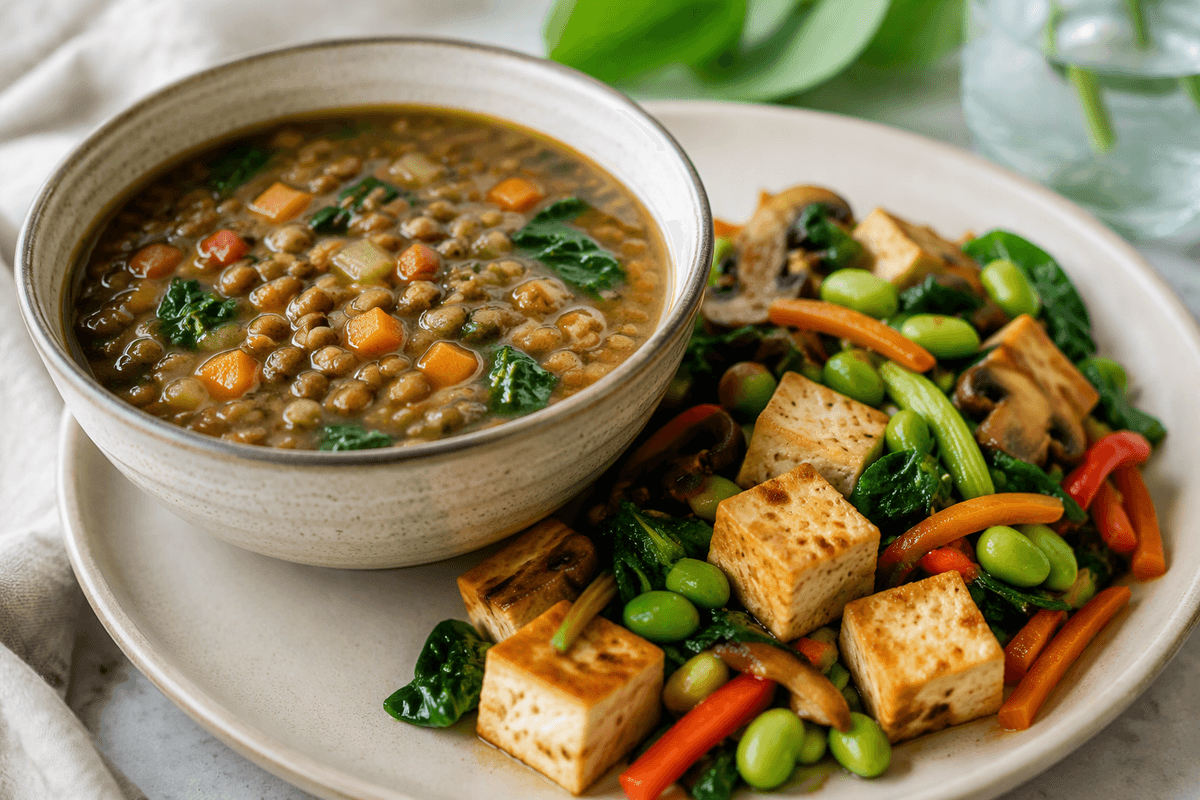
It’s often the “healthy” bowl that exposes the pattern: you build a big salad, add chicken, and still end up prowling the pantry later—then on another day a lentil soup or tofu stir-fry leaves you oddly calm and steady. Part of that difference is texture and timing, but part is what these proteins carry with them. Beans, lentils, and soy usually bring fiber and plant compounds (including polyphenols) that can make the meal feel less like a spike-and-crash, especially when your week already includes stress, travel, or choppy sleep.
They’re not always easy to read at first. A sudden jump in beans can mean more gas or a “full but uncomfortable” belly, which some people mistake for a food being “inflammatory.” Preparation matters, too: sugary baked beans or ultra-processed soy snacks don’t behave like plain edamame, tofu, tempeh, or lentils. Over time, though, swapping even a few processed-meat meals for bean- or soy-based ones can feel like less puffiness and more predictable energy—without chasing higher protein numbers.
Nuts, seeds, and eggs: small proteins, big context
It can feel almost too small to matter: a handful of nuts between meetings, a sprinkle of seeds on yogurt, two eggs instead of a bar. Then you notice the trade-off—some days that “small” protein seems to keep your appetite quieter, and other days it lands heavy, like you’re chasing water and still feel a little puffy by evening. The difference often isn’t the protein number. It’s what else came along for the ride: added salt on roasted nuts, sweet coatings on trail mix, or the way eggs get paired with processed meats and white toast when you’re rushed.
Nuts and seeds tend to bring fiber, minerals, and unsaturated fats that can make a meal feel steadier, especially when they replace a packaged snack. But portion creep is real, and calorie-dense foods can blur the signal if you’re already stressed or under-slept. Eggs sit in their own gray zone: they’re simple and filling, yet how you cook them—and what you eat them with—often predicts whether they feel supportive or like low-level friction.
Processed protein can create unexpected inflammatory friction
It usually starts as convenience: a drive-through breakfast sandwich after a late night, jerky or deli turkey at your desk, a “clean” protein shake because you don’t have time to chew. Nothing feels dramatic in the moment—until the next day you’re thirstier than usual, your face looks a touch fuller, and your workout soreness hangs around longer than it should. The label still says high-protein, so it’s easy to assume your body is just being unpredictable.
Processed protein often carries extra salt, saturated fat, sweeteners, and stabilizers, while the rest of the meal stays low in fiber. In some people, that combination seems to create more water retention and a noisier appetite—steady for an hour, then suddenly snacky. It can also blur your “why” when stress and short sleep are already pushing blood sugar around. If the pattern continues, the clue is less about one bar or one shake and more about how often processed protein becomes the default instead of a backup.