The mistake is ignoring the deadline and format
The letter lands, and it’s tempting to park it until the weekend or wait for a “proper” court form. That delay is how people lose control. A Letter Before Claim has a response deadline (often 30 days) and the sender will usually treat silence as refusal. By the time you’re ready, the next post can be a County Court claim form, with added fees and a tighter timetable.
Format trips people up as well. These letters usually come with a reply form, an income and expenditure sheet, and an information sheet. If you ring up and chat, or fire off a casual email, you can miss the process they’re relying on and accidentally say something that sounds like an admission. Keep it simple: respond in writing, on time, and in the same channel the letter asks for.
If cash flow is tight, the deadline still matters. Even a short holding response, sent within time, buys space without handing them momentum.
Check whether the letter follows pre-action rules
Before deciding whether to pay, push back, or ask for time, check if it’s a proper pre-action Letter of Claim or just a threaty demand. Under the debt pre-action process they should give you an information sheet, a reply form, and a standard financial statement form, and they’re expected to give you 30 days to respond. If any of those are missing, that’s friction you can use: it’s harder for them to justify rushing to court if they haven’t followed the steps.
Look for basics that should be clear on the face of the letter: who the original creditor was, the account or reference, the amount claimed and how it’s made up (interest and charges), and whether they say the debt has been sold. If it’s a collector, there should be some explanation of why they’re entitled to chase.
If the paperwork is thin, don’t fill in their forms with guesses. Ask for the documents they’re relying on (agreement, statements, notice of assignment) and request that they put the matter on hold while they supply them—especially if the 30-day clock is already running and money is tight.
Decide your stance before you write anything
Once you start writing, you’ll drift into explaining yourself, and that’s when people accidentally concede points. So decide first which lane you’re in: pay in full (because it’s clearly yours and affordable), negotiate a repayment plan (because it’s yours but cash flow won’t take a lump sum), or dispute/request evidence (because you’re not satisfied it’s owed, enforceable, or correctly calculated). Don’t try to do all three.
If you can pay, check the figure and whether they’ll confirm in writing that it’s “in full and final settlement” and that they’ll not issue a claim once cleared. If you need instalments, work out what is actually sustainable over the next few months—overpromising to stop the stress usually just triggers default and extra costs.
If you’re disputing, keep it clean: “I do not admit liability” and ask for the documents they say prove the debt. That stance protects you while the clock is running and the paperwork is still thin.
Write a response that forces evidence and clarity
Keep the reply short, firm, and structured. Open with your position in one line (“I do not admit liability for the alleged debt”) and then make them choose between producing proper documents or backing off. Long explanations about what happened, why you fell behind, or what you “think” the balance should be just give them material to quote later.
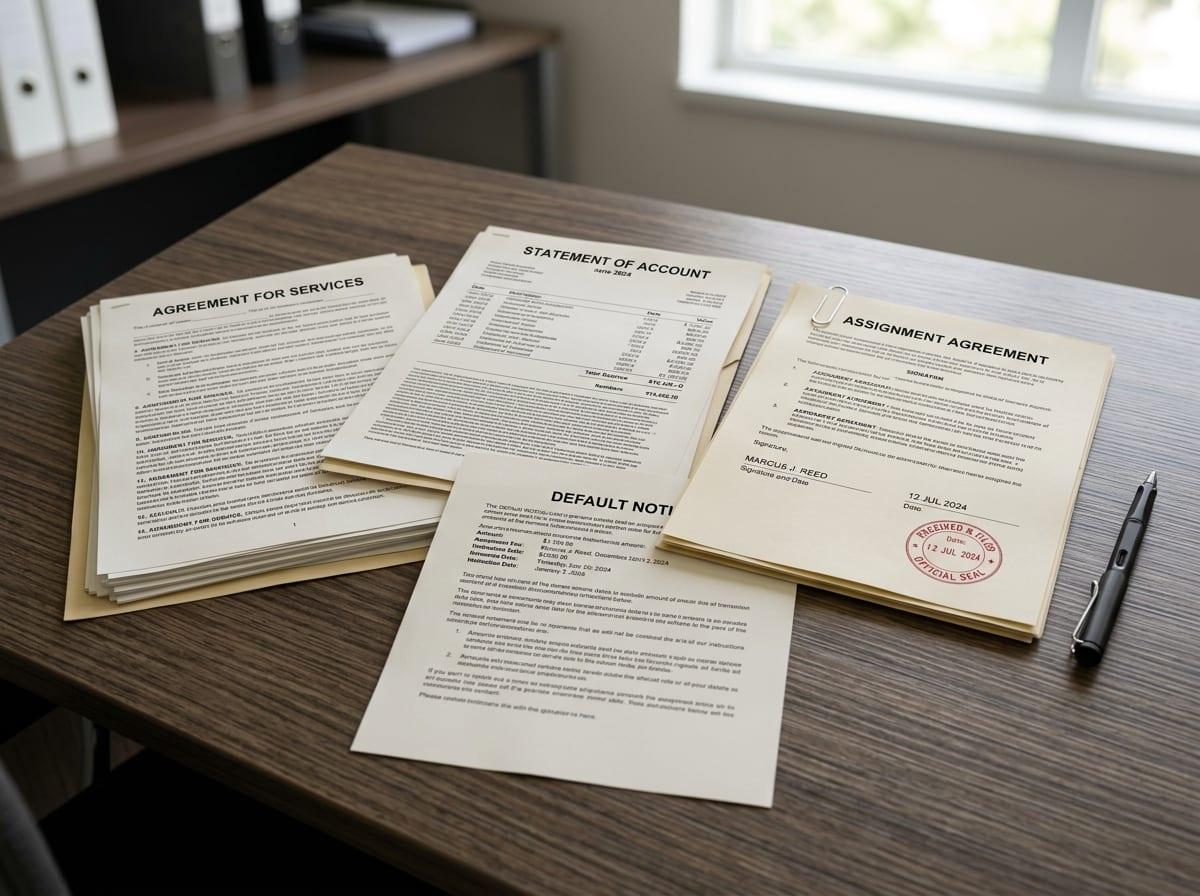
Ask for a clear bundle, not vague “proof”. Request: the agreement/contract relied on, a full statement of account showing how the figure is made up (payments, interest, charges), the default notice (if relevant), and if they’re a purchaser/collector, the notice of assignment and proof they’re entitled to enforce. If the amount includes interest, ask what rate, what dates, and what contractual term they say allows it. If the account is old or dates are unclear, require them to confirm the date of the last payment or written acknowledgement they rely on.
Set a practical constraint: you can’t complete their financial statement or consider proposals until those documents arrive, and you expect them to pause action while they comply. That keeps the clock and the costs from running in only their direction.
Use the right enclosures and keep a paper trail
When you send the reply, treat it like you may need to show a judge what you did and when you did it. Enclose only what helps your position: a copy of your letter, any filled reply form (if you’re using it), and a short list of the documents you’ve asked them to provide. Don’t send originals. If they “lose” a bank statement or ID document, getting replacements costs time and money you didn’t plan for.
Make a simple pack: print or save a PDF of everything, number the pages, and write the account/reference on each sheet. If you’re enclosing evidence (payments, letters), add a one-line note explaining what each item is.
Post it with proof of posting (or use email and keep the sent message and attachments). Save dates, tracking, and copies in one folder so the 30-day clock can’t be argued later.
Ask for time or a hold without weakening defenses
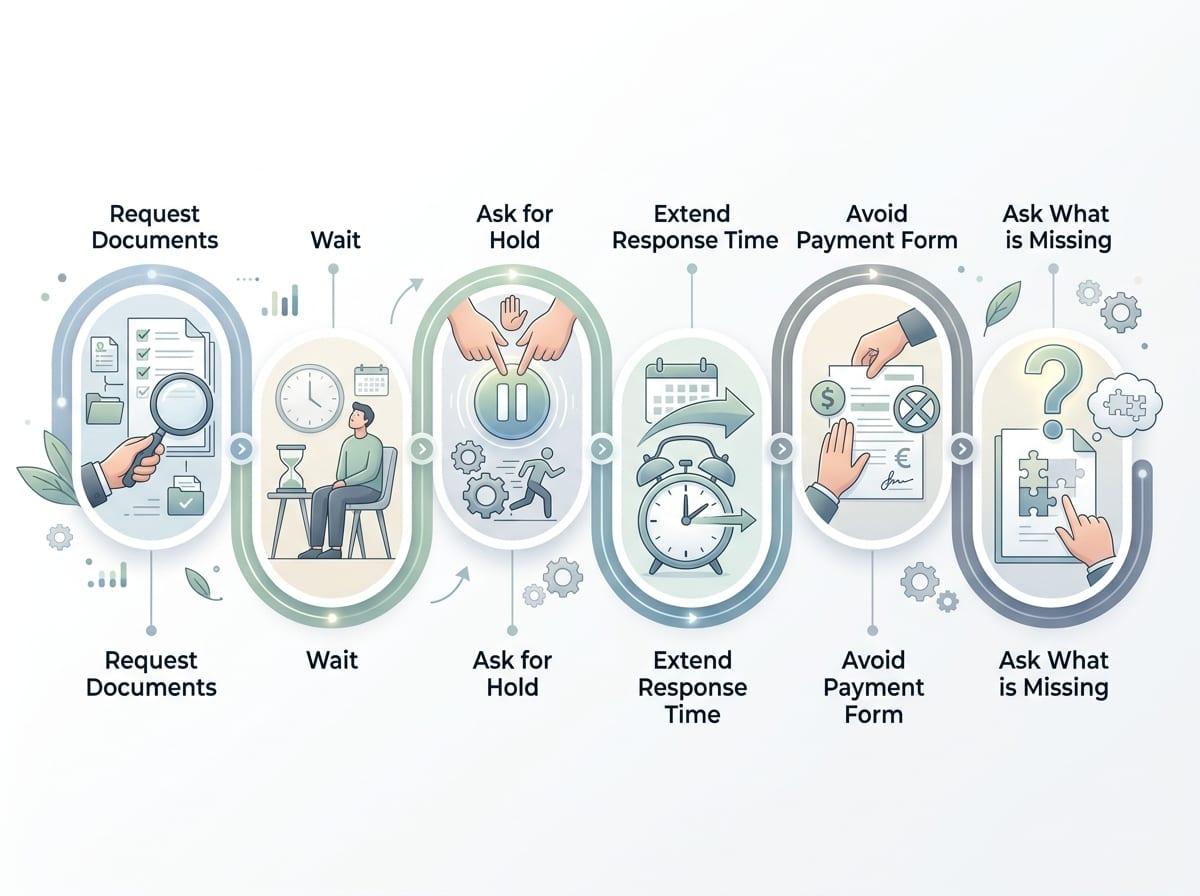
If the deadline is close and you’re still waiting for documents, don’t let it drift into silence. Write back asking them to place the matter on hold while you take advice and while they supply what you’ve requested. Keep the wording tight: “I do not admit liability. I require the documents listed. Pending receipt, please confirm you will not issue proceedings and will extend the time to respond.”
Don’t fill in the income and expenditure form “for now” if your stance is dispute/evidence. Half-completed figures have a habit of becoming “offers” later, and you can’t sensibly propose payment until you know what you’re being asked to pay and why.
If they refuse a hold, ask them to confirm exactly what they say is missing from your response and why they say they can’t wait 14 days. That paper trail matters if they rush to a claim.
After you send it, expect the next move
Once it’s sent, assume they’ll either (a) produce documents, (b) push for payment anyway, or (c) issue a County Court claim. The awkward bit is timing: a claim can arrive while you’re still waiting for what you asked for, especially if they say your response was “incomplete”. Keep checking post and email, and keep your file current, because missing the next deadline is where costs and judgment risk spike.
If they send paperwork, read it like it’s going to be relied on. Does the agreement match you, do the statements add up, and do dates make sense (last payment/acknowledgement matters)? If they ignore the requests and just repeat demands, write once more pointing out the unanswered items and that you remain unable to take a position on quantum without them.
If a claim form arrives, don’t argue by letter. Go straight to the court process: acknowledge service in time, then decide whether the defence is “not owed”, “not proven”, “wrong amount”, or “time-barred”. Your earlier paper trail is what stops their “they ignored us” narrative from landing cleanly.