Seville runs on a calendar shaped by tradition, not just tourism demand. Major celebrations influence hotel pricing, flight availability, and even daily transport routes. Visitors arriving during peak festival weeks often face higher costs and limited flexibility. Streets close, restaurant hours shift, and access to landmarks can narrow without much warning. Careful timing makes the difference between a smooth stay and constant adjustments. This outline presents the main Seville festivals and highlights practical planning considerations tied to each season, helping travelers set expectations before booking.
Semana Santa Seville: Processions and Travel Logistics
Semana Santa Seville takes place during the week leading up to Easter and stands as one of the most significant events in the city’s annual calendar. Religious brotherhoods organize elaborate processions that move slowly through historic streets, often lasting many hours. Large sculptures carried on platforms travel from neighborhood churches to the cathedral and back, following established routes.
For travelers, the first challenge involves accommodation. Rooms inside the old quarter often sell out months in advance. Many properties require partial or full prepayment during this period. Travel advisors commonly recommend booking at least six months ahead, especially for stays that include Maundy Thursday or Good Friday. Last minute options usually sit outside the center, increasing commute time.
Transport disruptions form another practical issue. Streets near the cathedral and main squares close for extended periods. Taxi access becomes limited, and public buses reroute without much notice. Arrivals scheduled during peak procession hours can require additional walking with luggage. A flexible arrival window helps reduce stress.
Crowd management matters. Popular viewing spots fill early, sometimes hours before the procession passes. Smaller neighborhoods provide a more manageable experience, though processions there still attract substantial attendance. Travelers sensitive to dense crowds may find the atmosphere intense.
Museum schedules shift during Holy Week. Some institutions shorten opening hours or close entirely on specific days. Checking official websites close to departure prevents confusion. Semana Santa Seville offers a powerful cultural experience, yet planning around closures and peak pricing remains essential.
Feria de Abril: Fairground Culture and Planning Realities
Feria de Abril begins roughly two weeks after Easter and transforms a large fairground near the river into a temporary village of decorated tents. These structures, known as casetas, belong to families, companies, and associations. Many require invitations, which can surprise first time visitors expecting fully open access.
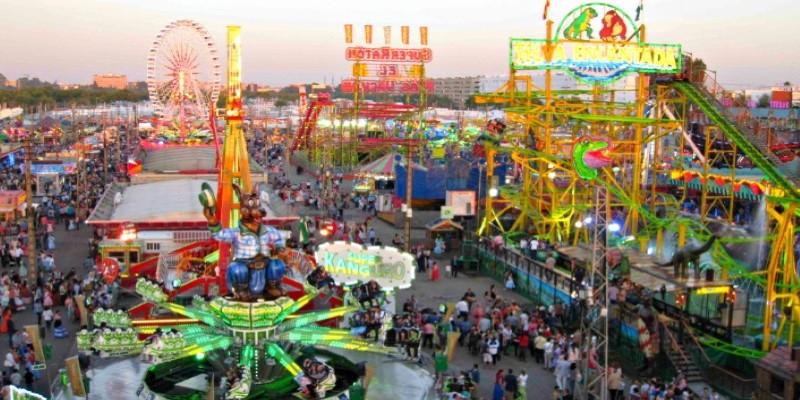
Public casetas exist and provide a welcoming option for guests without local connections. Still, awareness of the private structure prevents unrealistic expectations. A relaxed stroll through the fairground allows appreciation of traditional dress, horse drawn carriages, and live music without entering restricted areas.
Accommodation demand rises again during this week, though typically less dramatically than during Holy Week. Hotels in neighborhoods near the fairground increase rates. Apartments farther from the center sometimes offer better value. Early booking remains wise, particularly for groups.
Transport to the fairground requires attention. Evening traffic grows heavy, and parking is limited. Shuttle buses operate from central points, yet queues can form late at night. Planning a clear return route avoids long waits after midnight.
Dress traditions form part of the visual identity of Feria de Abril. While traditional outfits appear throughout the fair, no rule requires visitors to wear them. Rental services operate in advance of the event, though availability narrows closer to opening night.
Weather adds another layer. Late afternoon temperatures can rise quickly, making hydration necessary. Feria de Abril blends celebration with logistical complexity. Preparation around access, transport, and accommodation supports a smoother experience.
Christmas, Epiphany, and Winter Traditions
Winter in Seville feels unhurried. The rush of spring processions gives way to softer evenings and streets lit with simple decorations. Small Christmas markets gather near the cathedral and along central plazas, selling nativity figures, handmade ceramics, and local sweets. The setting feels relaxed rather than grand, which suits travelers looking for atmosphere without dense crowds.
Hotel rates usually level out once the main holiday dates pass. December 24 and 31 still command higher prices, yet the first weeks of January often bring better availability. Flights follow that pattern, with fares easing after New Year’s celebrations end. This period works well for longer stays built around slow sightseeing. Epiphany on January 6 brings energy back into the center. The Three Kings parade winds through major avenues, and families line the streets well before it begins.
Temporary road closures can slow taxis and buses, so checking the official route map saves time. Opening hours shift during these weeks. Some museums shorten schedules, and many shops close on major feast days. Mild temperatures make daytime walking comfortable, though evenings call for a jacket and an umbrella.
Corpus Christi and Local Neighborhood Fiestas
Corpus Christi takes place in late spring and features a formal procession departing from the cathedral. Streets receive decorative touches, including greenery and small altars. The scale feels more contained than Semana Santa in Seville, yet central areas still experience temporary closures. For shorter stays, this event fits easily into a broader itinerary. The procession typically occupies only a few hours, limiting prolonged disruption.
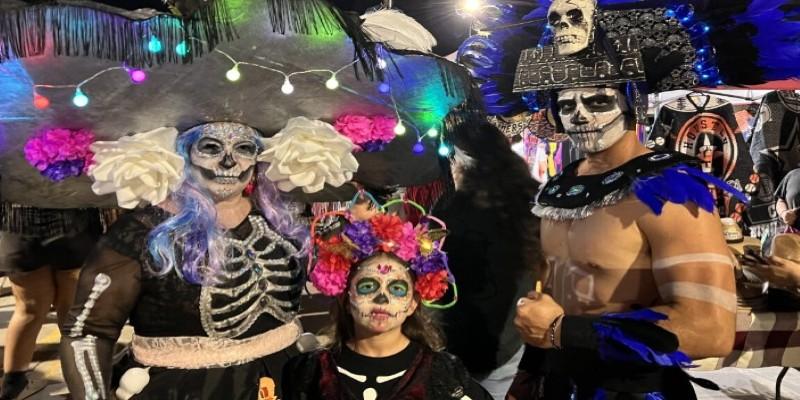
Hotel occupancy rises slightly, though it rarely reaches full capacity citywide. Beyond major religious observances, neighborhood fiestas occur throughout the year. Triana hosts Velá de Santa Ana in July, combining riverfront gatherings with fireworks. Summer heat influences scheduling, with most activities beginning late in the evening. These smaller Seville festivals provide local character without extreme price surges. Restaurants remain accessible, and transport networks operate close to normal schedules.
However, English language information may be limited, requiring extra effort to confirm details. Selecting a travel window aligned with a district level celebration can offer balance. Cultural exposure remains strong, yet logistical strain stays manageable. Careful review of event calendars ensures accurate timing.
Conclusion
Seville's festival calendar shapes the travel experience in practical ways. Accommodation costs, transport routes, and opening hours shift around key celebrations. Early reservations reduce stress during peak weeks, especially for Semana Santa Seville and Feria de Abril. Winter events present fewer crowd challenges but still involve holiday closures. Smaller neighborhood fiestas offer cultural depth with lighter disruption. Reviewing dates, booking in advance, and allowing flexibility in daily plans lead to a smoother visit. Preparation supports enjoyment without constant logistical surprises.