Australia attracts visitors for city life, yet the open terrain often leaves the strongest impression. The Best Nature and Scenic Spots in Australia span coral reefs, desert plains, sandstone cliffs, and alpine lakes. Visiting these places requires planning shaped by distance and weather. Regional airports have limited schedules, road conditions shift after storms, and seasonal demand affects room prices quickly. Travel professionals track these patterns daily. A well-timed booking can prevent missed tours, inflated rates, and long detours that disrupt carefully planned itineraries.
Great Barrier Reef, Queensland
The Great Barrier Reef holds a special place on many Australian itineraries, and for good reason. It is one of those rare places that feels immense even before the boat leaves the marina. Most trips begin in Cairns or Port Douglas. Cairns works well for easy flight access and a broad mix of tour options, while Port Douglas has a quieter pace that suits travelers after a slower coastal base. That said, room rates there often climb quickly in busy periods.
Timing shapes the experience more than many first-time visitors expect. June through October usually brings calmer water, clearer visibility, and fewer cancelled departures. Summer can still be rewarding, but conditions become less predictable. Humidity rises, marine stingers become part of trip planning, and cyclone activity can disrupt schedules at short notice. Flexible bookings make a real difference.
A day trip gives a useful introduction, though travel time can take up a fair part of the outing. Liveaboard trips reach outer reef locations with clearer water and a more relaxed pace, which often leaves a stronger impression. Cheaper pontoon tours can suit tighter budgets, though they may feel crowded in school holiday periods.
Not every reef site looks like a postcard, and that matters. Coral conditions vary, and bleaching has affected some sections. Good operators explain current site quality honestly and rotate locations to reduce pressure. Checking recent reports before booking usually leads to a better day on the water.
Uluru and the Red Centre, Northern Territory
Uluru sits in a remote part of the Northern Territory, and that isolation shapes every visit. Flights arrive daily from major cities, though seat availability narrows during winter. Road travel from Alice Springs covers long distances with limited services. Fuel stops must be planned in advance.
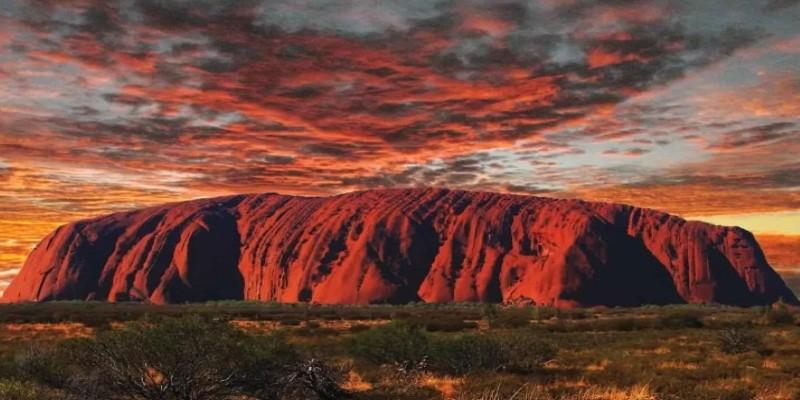
Climbing Uluru is no longer permitted. Guided base walks led by Anangu custodians now form the core experience. These tours address a frequent gap in visitor understanding by explaining the cultural meaning of specific rock features. Without that context, many travelers see only a large sandstone formation.
Sunrise and sunset viewing areas operate under controlled parking zones. Spaces fill quickly during peak months from May to September. Arriving early avoids last-minute stress and blocked views. In summer, temperatures regularly exceed 40 degrees Celsius. Tour operators shift activities to early morning to reduce heat exposure.
Accommodation is concentrated within the Yulara resort area. Options range from campground plots to upscale rooms. Limited capacity means last-minute availability can be scarce. Securing lodging before booking flights reduces risk.
Nearby sites such as Kata Tjuta and Kings Canyon require additional driving. Heavy rain can damage unsealed roads, and some rental agreements exclude coverage for certain routes. Reviewing contract details before departure prevents unexpected charges.
Blue Mountains, New South Wales
Blue Mountains, New South Wales offers a very different pace from Sydney, yet that easy access comes with one predictable trade-off, crowds. On a quiet weekday, the drive can take around two hours, but weekends and public holidays often turn the route into a slow crawl. Trains are usually the easier option, especially for travelers trying to avoid parking headaches around Katoomba and Echo Point.
The first view across Jamison Valley still holds up, even for seasoned visitors. Echo Point and the Three Sisters draw steady crowds early in the day, so arriving soon after sunrise gives a calmer atmosphere and better light for photos. Short lookout walks work well for a half-day trip, while routes like the National Pass suit travelers ready for steep stairs, narrow ledges, and a more physical outing.
Conditions change quickly here. Rain makes stone steps slick, and temporary trail closures are not unusual after rough weather. Late spring and summer can also bring smoke and reduced visibility during bushfire season. Autumn tends to be the most comfortable period, with crisp air, clearer views, and fewer weather-related disruptions for walkers.
Cradle Mountain, Tasmania
Cradle Mountain offers alpine scenery shaped by glacial history. The area forms part of Cradle Mountain-Lake St Clair National Park. Weather shifts rapidly, even during the summer months. The Overland Track begins here and requires advance permits between October and May. Bookings sell out months ahead due to strict capacity controls designed to protect fragile terrain. Late planners often adjust travel dates or select shorter routes.
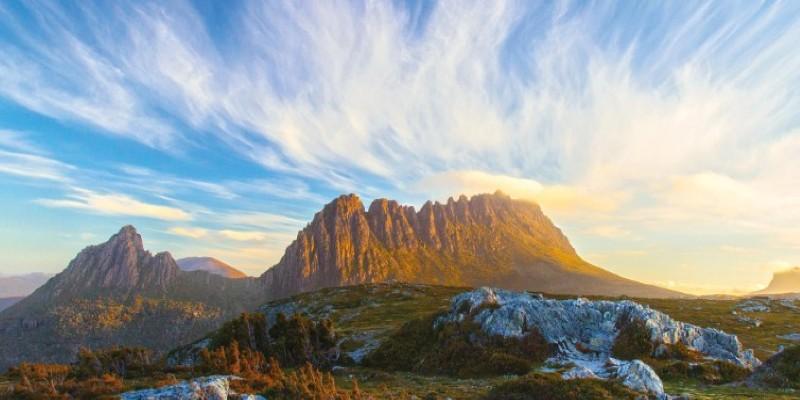
The Dove Lake circuit provides a manageable alternative with consistent views of the mountain reflected in the water. Conditions can change within hours, bringing strong winds or cold rain. Carrying waterproof clothing remains standard advice from park rangers. Winter introduces snow and ice. Road access may require vehicle chains, and some rental companies restrict travel in severe weather. Confirming insurance coverage avoids disputes later.
Wildlife sightings, including wombats near walking tracks at dusk, add to the appeal. Feeding animals is prohibited, with fines applied for violations. Accommodation clusters near the park entrance. Limited restaurant options mean dinner reservations are wise during peak season. Flights into Launceston or Hobart require onward travel by car for more than two hours.
Fuel stations become scarce outside major towns, so maintaining adequate fuel levels is practical. Shoulder seasons in spring and autumn offer fewer hikers and lower room rates. Daylight hours shorten, which affects hiking schedules. Planning routes around available light ensures safe returns before dark.
Conclusion
Australia’s varied terrain shapes travel in practical ways. The Best Nature and Scenic Spots in Australia reward preparation grounded in seasonal awareness and transport realities. Australian landscapes can feel remote, and services remain limited outside main gateways. Booking flights and rooms early reduces stress during peak months. Checking weather alerts, park notices, and road updates prevents disruptions. With careful timing and realistic expectations, these scenic destinations Australia presents deliver lasting impressions built on preparation rather than chance.