Start Here: What “stress-free Zanzibar” means
I realized Zanzibar only looks “easy” from far away: you land, you see turquoise water, and then the small decisions start stacking—where to sleep, how to move, what to pre-book, what to leave flexible. The stress usually isn’t the big stuff; it’s the friction: a long transfer you didn’t budget time for, a beach that’s gorgeous but unusable at low tide, a tour that eats the one day you actually needed to do nothing.
So “stress-free Zanzibar” doesn’t mean a perfect itinerary. It means choosing a few high-impact defaults—dates that match the sea conditions you want, one base that fits your pace (or a clean two-base split), and transport you can rely on—then leaving your days light enough to absorb heat, fatigue, and detours without feeling like you’re failing the trip.
Choose dates: weather, crowds, and sea conditions
My first real planning hesitation was realizing “good weather” in Zanzibar isn’t one thing. It’s rain risk, yes—but also humidity, wind, and whether you’ll actually be able to swim when you want to. If your trip is built around long beach days, aim for the drier stretches (roughly June–October, or January–February). You’ll trade lower rain odds for higher prices and fuller hotels, so book earlier and expect less “empty postcard beach” time.
The messier months can still work if you price in friction. April–May is the long-rain period and tends to be the most disruptive (muddy roads, grey afternoons, and plans that suddenly feel ambitious). November is usually a shorter, lighter rainy spell—often fine for a flexible couple, but not ideal if you’re packing every day with dives and boat trips.
Sea conditions are the quiet deal-breaker: on the east coast (like Paje/Jambiani), tides can pull the water far out, turning “step into the ocean” into a long, hot walk. North beaches are more forgiving for all-day swimming, but they also attract more people. Decide what matters more—consistent swimming or quieter sand—and your dates get easier to choose.
Book essentials: flights, visas, insurance, cash
The first booking decision that actually changes your stress level is the flight shape: do you want “arrive and collapse,” or “save money and spend it in transit”? Some routes land directly in Zanzibar (ZNZ) at reasonable hours and cost more; others push you through Dar es Salaam with a connection or ferry that can quietly eat half a day—especially if you arrive late, immigration runs slow, or the sea is rough enough to make the ferry feel like a bad choice.
For entry, treat the visa like a pre-trip admin task, not an airport improvisation. If you can complete the visa requirements before you fly, do it; if you’re planning on visa-on-arrival, assume lines and have backups (printed hotel confirmation, onward flight details, and a pen). The same “don’t gamble” logic applies to insurance: make sure it covers medical care and evacuation, because Zanzibar can be simple until it isn’t.
Cash is the unglamorous essential. ATMs exist, but they’re not always convenient or cooperative, so arrive with a buffer and break it into smaller notes early—drivers, tips, and quick meals go smoother when you’re not trying to pay everything with one big bill.
Pick your base: Stone Town vs beach villages
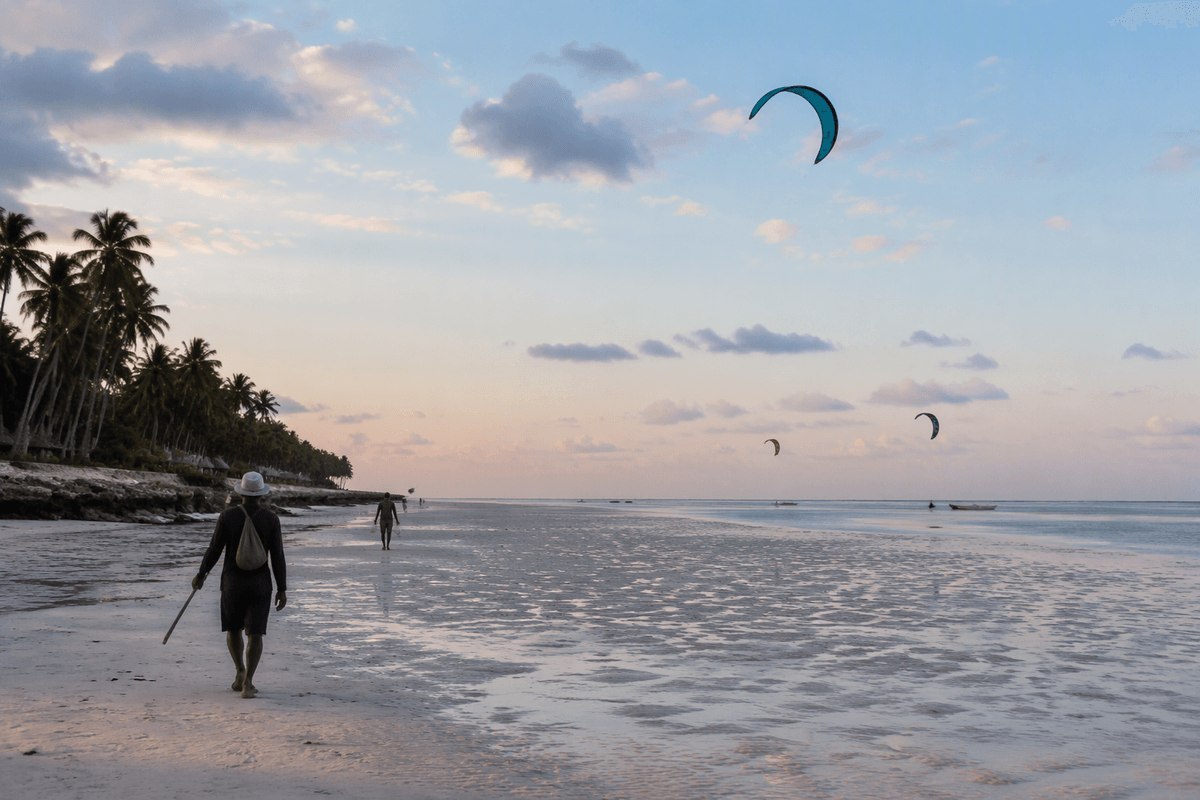
The base decision is where Zanzibar stops feeling “simple.” Stone Town is worth it, but it’s not where most people relax: it’s humid, loud in a lively way, and the charm comes with stairs, narrow alleys, and the occasional power wobble. I like it for 1–2 nights at the start (or end) because it absorbs jet lag well: short airport transfer, easy food options, and you can do the historic wandering before you’re in full beach mode.
For the beach, pick based on how you actually want to use the ocean. North (Nungwi/Kendwa) is the “swim whenever” choice, but you’ll trade that for more boats, and higher prices in the most in-demand hotels. East (Paje/Jambiani) is calmer and prettier in a slow way, but the tide can turn a casual dip into a timed activity—and that matters when you’re tired.
If you only want one base, go beach-first and day-trip Stone Town. If you want the lowest-friction split: 2 nights Stone Town, then the rest on one coast—minimizing long drives while still seeing both sides of the island.
Move smoothly: airport transfers, taxis, day tours
My biggest “why is this stressful?” moment in Zanzibar was realizing transport isn’t hard—until you’re negotiating it hot, tired, and out of signal at the curb. If you can, pre-arrange your airport transfer through your hotel for the first leg. It usually costs a bit more than hailing a ride, but the trade-off is clean: no bargaining, no mystery detours, and someone who actually shows up when your flight lands late.
For everything after that, taxis are fine, but agree on the price before you get in, and confirm whether it’s per car or per person. The island looks small on a map, yet Stone Town to the north or east can take longer than you expect—traffic, checkpoints, and slow stretches add up—so don’t stack a long drive on the same day as a “must-do” tour. Day tours work best as pressure valves (one organized thing, then back to the beach), but the group versions can be a time-tax: hotel pickups, extra stops, and waiting on other people’s pace.
If you’re choosing between DIY and a driver, I’d pay for a private car on the one day you care about timing—like spice farm + Stone Town or a snorkeling slot—then keep the rest flexible. That mix keeps costs mid-range without turning your trip into logistics.
Plan days lightly: must-dos, optionals, skips
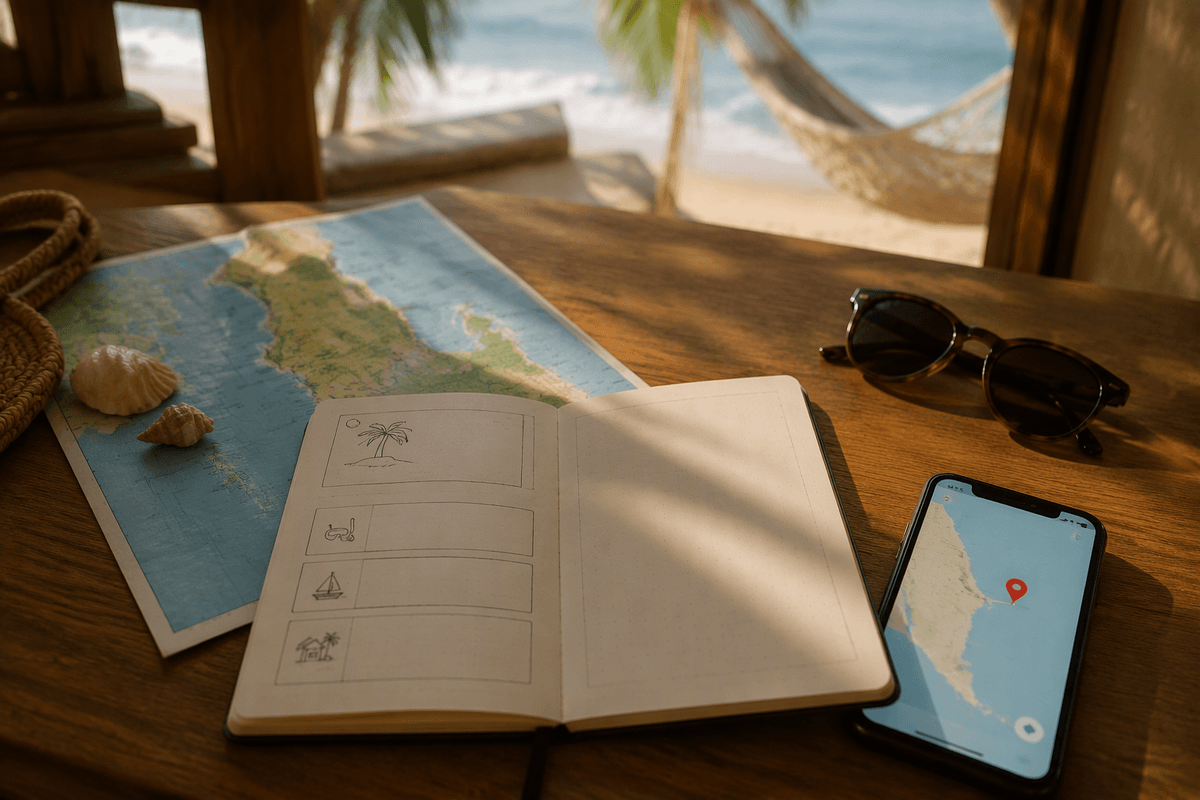
Halfway through planning, I caught myself building “perfect” days that looked efficient on Google Maps and felt miserable in real life—because Zanzibar time isn’t clock time. Heat peaks, pickups drift, and one slow lunch can quietly erase an afternoon. So I started planning in blocks: one anchor per day, then room for tide, naps, or a beach that suddenly feels too windy to be fun.
My must-dos are the ones that benefit from structure: a Stone Town wander (early, before the alleys bake), and one water day you actually care about—snorkeling, a sandbank trip, or a sunset sail—booked with a clear start time. Everything else stays optional: a spice farm if you’re already passing that direction, Jozani Forest if you want a shaded change from the beach, and a “do nothing” day that isn’t a guilty leftover but the point.
The easy skip is stacking “top sights” back-to-back. Two tours in a row sounds productive and turns into van time, waiting, and the weird fatigue of being managed all day. If you’re choosing, I’d skip anything that requires a long cross-island drive unless it’s your one priority—because the hidden cost isn’t money, it’s the evening you lose when you get back dusty and done.
Health, safety, etiquette, and packing shortcuts
The one place I don’t “stay flexible” in Zanzibar is health prep, because the downside is expensive and time-consuming. Bring a small pharmacy (oral rehydration salts, loperamide, antihistamine, blister care, and a backup sunscreen) and assume you’ll pay more and hunt longer if you need it on the beach. Mosquito protection matters most at dusk—especially around gardens and still water—so pack repellent and one lightweight long-sleeve even if you live in swimsuits.
Safety is mostly about reducing little frictions: use hotel safes when they exist, don’t flash a thick cash wad, and keep a photo of your passport/visa on your phone. In Stone Town at night, stick to lit streets and move with purpose—getting “pleasantly lost” is fun at 4pm and annoying at 10pm.
Etiquette is simple but pays off fast: cover shoulders/thighs away from the beach, ask before photographing people, and treat greetings like part of the transaction. Packing shortcut: reef-safe sandals (sea urchins/rock), a dry bag for boat days, and a snorkel mask if you hate rental fit.
Wrap-up: trade-offs, checklists, and peace-of-mind
The last night, when you’re half-packed and trying to remember whether you ever withdrew “enough” cash, is when the earlier trade-offs show their value. North coast buys you easier swimming but more people; east coast buys you space but asks you to respect the tide. Stone Town gives you texture, but it’s not restful—so keep it short unless you love cities.
If you want a low-stress checklist, keep it boring: lock your dates to the sea conditions you actually want, do a clean two-base split (or commit to one), pre-book only the first transfer and one timing-sensitive water day, and leave the rest as “weather-and-energy dependent.” Bring a small health kit, carry smaller bills, and don’t stack long drives with tours.
My practical takeaway: Zanzibar gets easy when you stop trying to optimize it. Plan for one thing per day, protect your mornings, and treat downtime as the schedule—not the gap you fill when everything else goes wrong.