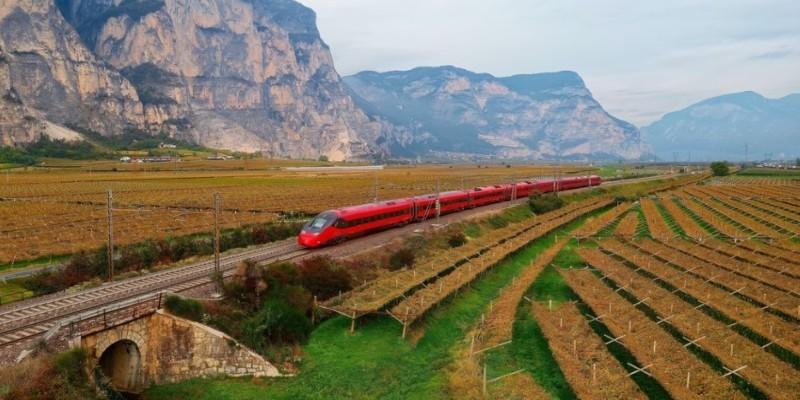
Italy works well by train. Major stations sit close to historic districts, and high-speed lines shorten travel time between cities. Rail travel avoids traffic zones, restricted driving areas, and parking headaches common in historic centers. Many first visits become stressful when too many destinations appear in a short schedule. A ten-day plan keeps movement steady without daily packing. This route follows a logical north-to-south line through well-connected cities. Travel time stays reasonable, and station transfers remain simple. Rail networks here run frequently, though timing and reservations still matter during peak tourism months.
10-Day Italy Train Itinerary for First-Time Visitors
Day 1: Arrival in Milan
Flights from many long-haul routes land at Milan Malpensa, about fifty minutes from the city. The Malpensa Express runs regularly and reaches Milano Centrale without complicated transfers. After a long flight, that direct route feels far easier than searching for taxis or dealing with highway traffic.
Milano Centrale is large and busy, yet the signs are clear once inside the main hall. Train platforms appear on the departure board shortly before boarding time, so most passengers wait in the central concourse. Spend the afternoon around the Duomo and nearby streets. Keep the pace light; rest helps prepare for the train journey ahead.
Day 2: Milan to Venice
High-speed trains connect Milan and Venice in about two and a half hours. Booking early matters. Ticket prices rise quickly near departure dates, especially during spring weekends and autumn cultural events. Arrival at Venezia Santa Lucia station feels unique. The Grand Canal sits directly outside the station doors.
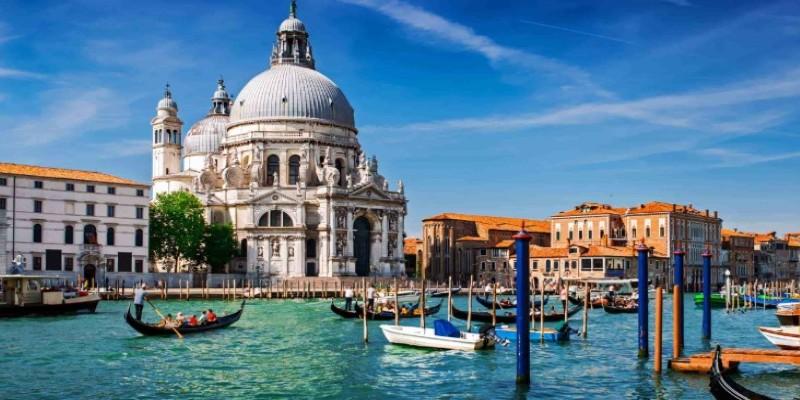
Vaporetto water buses handle most transport across the city. Multi-day passes reduce repeated ticket purchases. Large cruise arrivals can crowd central Venice streets. Early morning walks or evening visits feel calmer and allow clearer views of landmarks without heavy tour groups.
Day 3: Full Day in Venice
Leave the schedule loose today. Venice rarely rewards rigid planning. Start early at St. Mark’s Basilica with a timed entry ticket; the line in the square can stretch across the paving stones by midmorning. After the main sights, step away from San Marco crowds and wander toward Cannaregio.
This district moves at a slower pace, with neighborhood bakeries, quiet canals, and small local shops. Midday closures still happen here, so some storefronts may shut for a few hours. That rhythm feels different from larger cities. Spend the afternoon walking without a fixed route; bridges, narrow lanes, and hidden courtyards constantly shift the path forward.
Day 4: Venice to Florence
Florence lies about two hours from Venice on high-speed trains. Mid-morning departures usually avoid commuter congestion. Seats remain assigned, so boarding stays orderly without early queues. Santa Maria Novella station sits close to Florence’s historic center. Many hotels and guesthouses stand within a ten-minute walk.
That short distance removes the need for local transport immediately after arrival. Museum demand runs high most of the year. The Uffizi Gallery and Accademia sell out quickly during busy months. Timed reservations prevent losing valuable hours in ticket lines.
Day 5: Florence and Optional Pisa
Florence works well on foot. Streets between the Duomo, Ponte Vecchio, and Piazza della Signoria stay close together, so the day rarely feels rushed. A side trip to Pisa fits easily into the schedule. Regional trains leave regularly from Santa Maria Novella and reach Pisa in about an hour.
These tickets do not include assigned seating, and paper versions must be stamped at platform machines before boarding. Inspectors check this detail often. Returning in the evening feels calmer, since most day visitors have already left the city, and restaurant lines shorten.
Day 6: Florence to Rome
High-speed trains cover the Florence to Rome route in about ninety minutes, which makes this one of the easiest travel days on the itinerary. Roma Termini can feel hectic, especially around arrival peaks, so keep bags close and move with purpose. Staying near Termini makes local travel simpler. For the first afternoon, walk through Piazza Navona, the Pantheon, and Campo de’ Fiori, where Rome starts to feel less like a checklist and more like a living city.
Day 7: Rome in Depth
Rome rewards an early start. Pre-booking the Colosseum saves time and spares you the long, slow queue that builds by midmorning. The Vatican Museums need the same treatment, with weekday afternoons usually feeling easier than Saturdays. Around the city, the metro is simple and dependable, though limited. Buses reach more neighborhoods, but central traffic can turn a short ride into a drawn-out crawl, especially near major sights in peak season.
Day 8: Rome to Naples
Naples comes fast after Rome, just over an hour by high-speed train, yet the mood changes right away. Napoli Centrale is busy but useful, with easy links to metro lines and local trains for Pompeii. The Circumvesuviana is less polished and often crowded, especially later in the day, though it gets the job done. A stay near the historic center keeps daily movement simple, with food spots, markets, and museums close at hand.
Day 9: Pompeii or Amalfi Coast
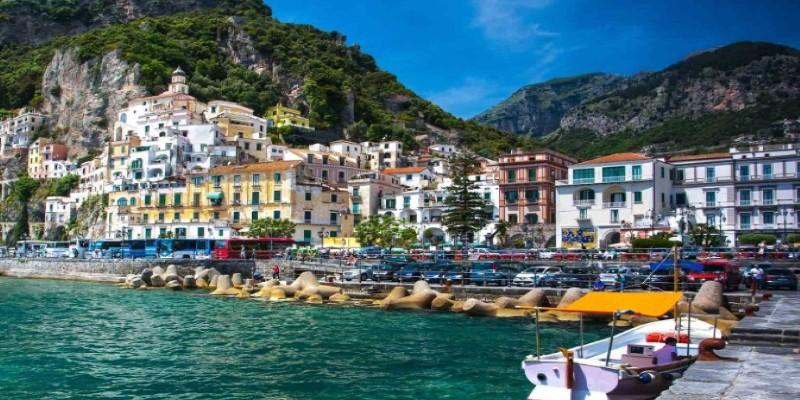
Pompeii rewards an early start. Morning light spreads across the stone streets, and cooler temperatures make long walks easier. Large sections of the ruins offer little shade, so midday heat slows the pace quickly. The Amalfi Coast brings another type of challenge. Coastal buses wind along tight roads and often move slowly in peak season. Ferry routes help when the seas stay calm. Many visitors choose to spend the afternoon back in Naples.
Day 10: Return to Rome or Departure City
Many international flights depart from Rome or Milan. Returning to Rome by high-speed train takes about one hour from Naples. Allow generous transfer time before airport check-in. Italian rail strikes appear occasionally. Checking train schedules the day before departure reduces last-minute stress. Travelers heading to Milan often choose to arrive the previous evening rather than risk tight connections.
Conclusion
Ten days by train gives Italy room to breathe. The major stops connect easily, the station locations save time, and the pace feels manageable for a first trip. Book popular routes early, especially in spring and early autumn, when demand climbs fast. Summer can still work with careful timing. With fewer transfer headaches and no driving stress, each stop feels easier to enjoy and easier to remember.